
- All
- Construction Accidents
- Insurance
- Medical Malpractice
- Motor Vehicle Accident
- Motorcycle Accident
- Nursing Home Abuse
- Personal Injury
- Slip And Fall
- Uncategorized
- Workers' Compensation
- Wrongful Death
- All
- Construction Accidents
- Insurance
- Medical Malpractice
- Motor Vehicle Accident
- Motorcycle Accident
- Nursing Home Abuse
- Personal Injury
- Slip And Fall
- Uncategorized
- Workers' Compensation
- Wrongful Death

Uncategorized
When a Fall Becomes a Major Injury Case: What Victims Should Know
A fall can become a major injury case in New York when it causes serious injuries, surgery, long-term medical care, lost income, permanent limitations, or ...
Uncategorized
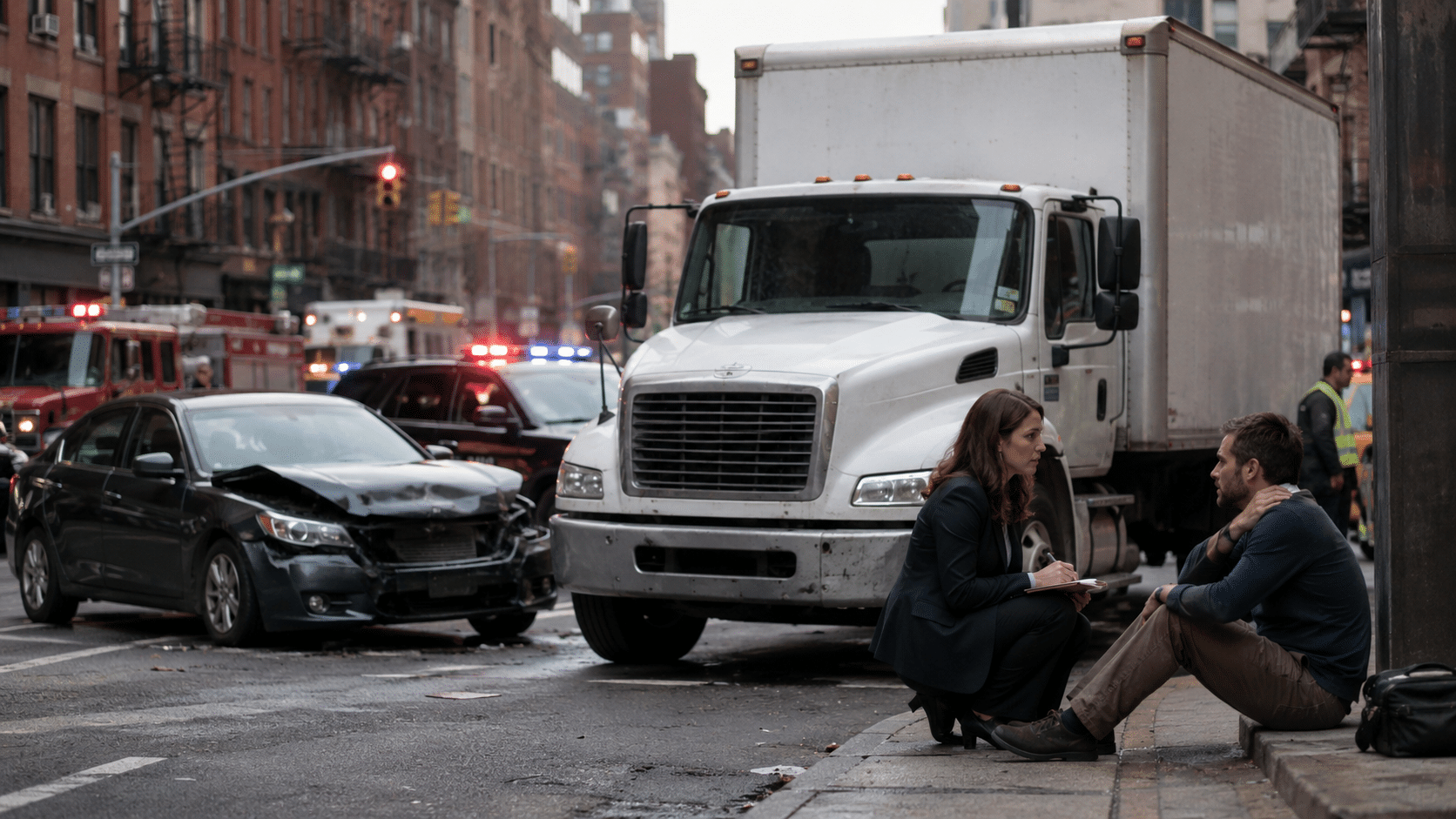
Truck Accidents in New York: Why These Cases Are Often More Complex
Truck accidents in New York are often more complex than regular car accident cases because they may involve federal trucking regulations, multiple responsible parties, commercial ...

Uncategorized
What Makes a Personal Injury Case Worth Millions in New York?
A personal injury case in New York may be worth millions when the accident causes catastrophic injuries, long-term medical needs, permanent disability, major income loss, ...

Uncategorized
Why Serious Construction Accidents in New York Require Experienced Trial Attorneys
A serious construction accident in New York can change a worker’s life in seconds. Falls from scaffolds, ladder accidents, falling objects, unsafe equipment, demolition accidents, ...

Uncategorized
How a Serious Accident in New York Can Affect Your Family, Finances, and Future
A serious accident in New York can change far more than a person’s physical health. In many cases, it can disrupt an entire household, create ...
Uncategorized
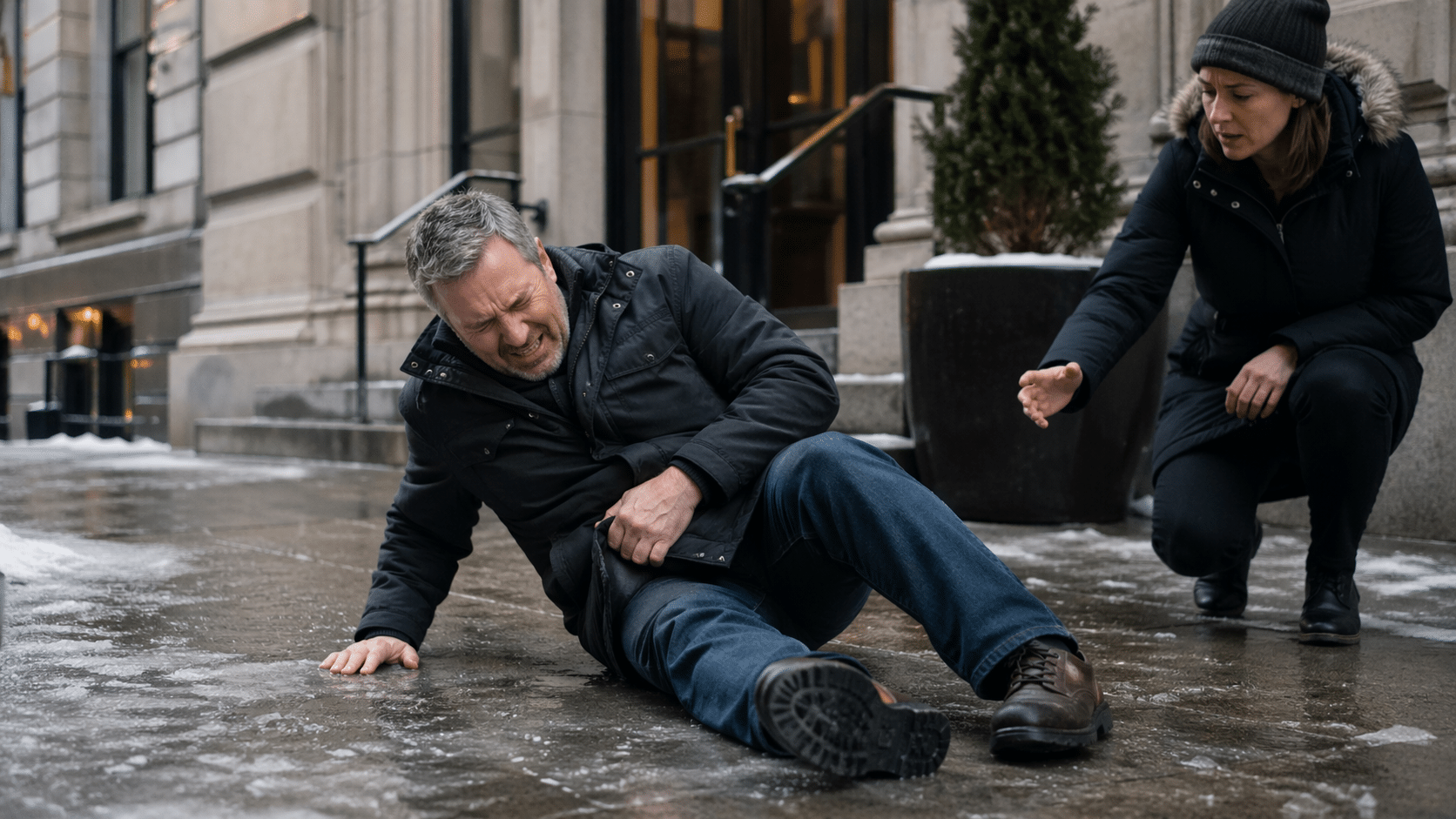
New York Slip and Fall Lawyers: What Injured Victims Need to Know
Slip and fall accidents in New York can lead to serious injuries, expensive medical treatment, lost income, and long-term physical pain. Many people assume these ...

Uncategorized
Why Injured Riders in New York Choose Mitchell Proner for Serious Accident Cases
Injured riders in New York often choose Mitchell Proner for serious accident cases because these claims are rarely minor. When a motorcycle rider is hit ...
Uncategorized
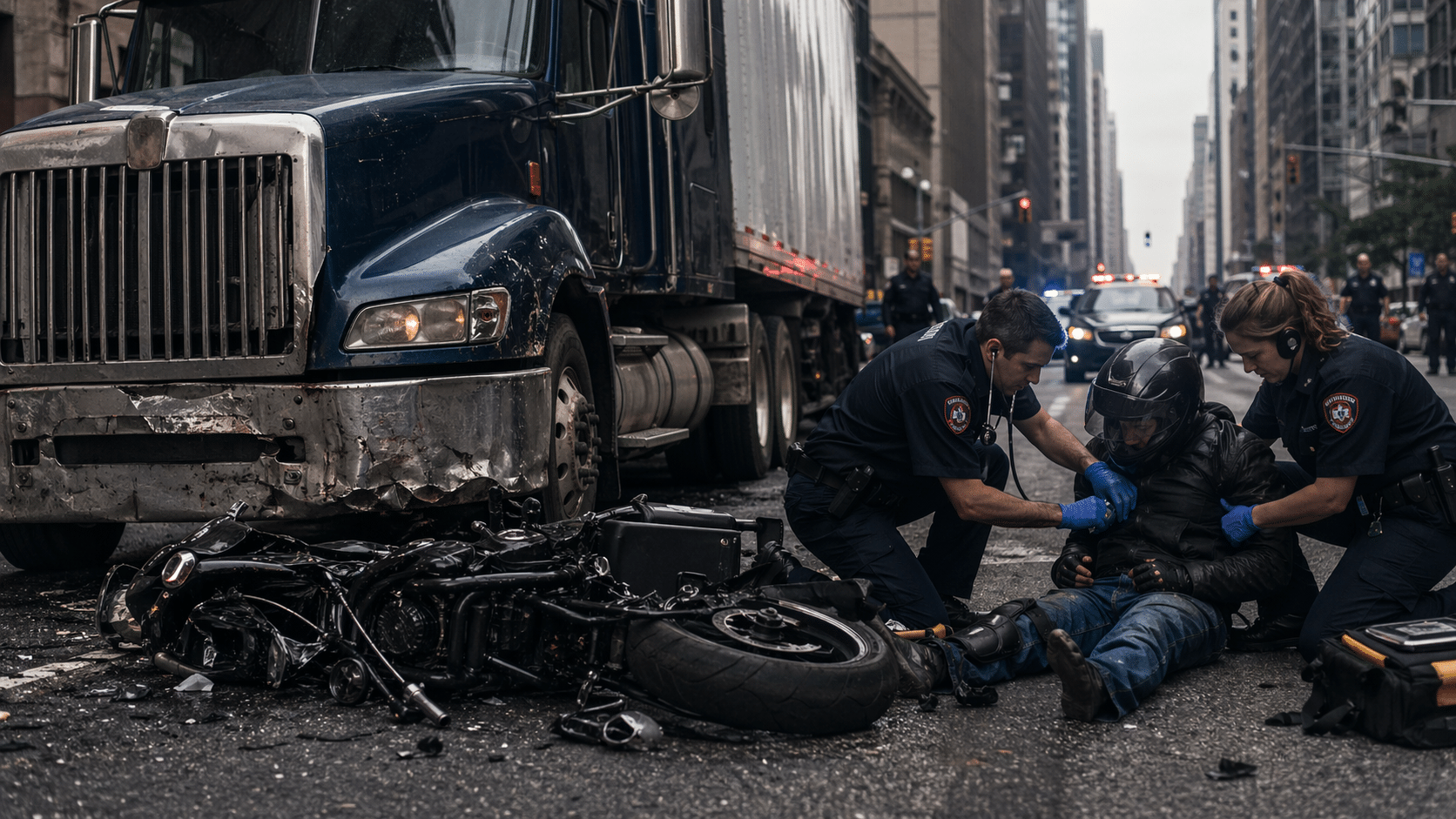
Truck vs. Motorcycle Accidents in New York | ProLaw
Truck vs. motorcycle accidents in New York are often especially serious because motorcycles offer far less physical protection than passenger vehicles, while commercial trucks bring ...